




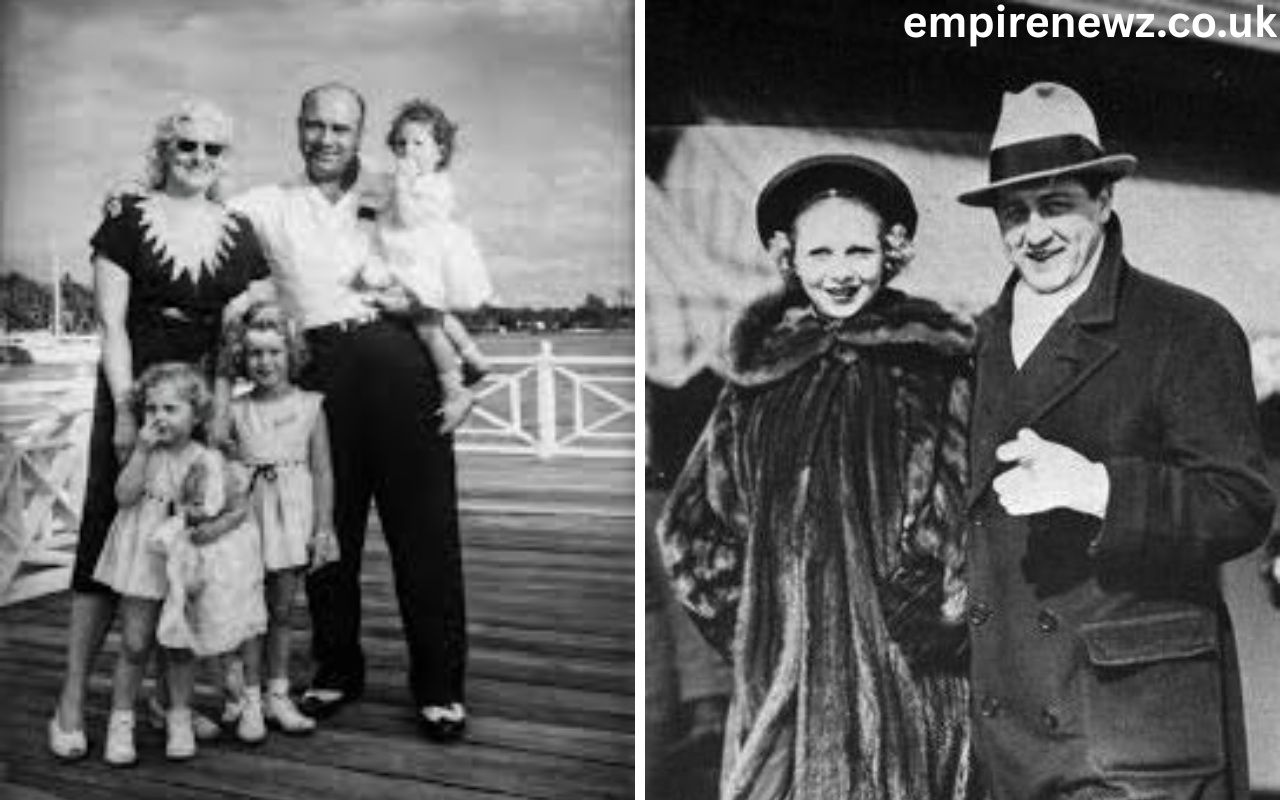
Mae Capone: The Untold Story of Al Capone’s Wife and Her Life Beyond the Mafia Shadow
Mae Capone, born Mary Josephine Coughlin, is best known as the wife of the infamous American gangster Al Capone. However, her life story goes far beyond being associated with crime. She was a woman who lived through one of the most turbulent periods in American history while maintaining her dignity and privacy. Her life reflects strength, resilience, and quiet endurance in the face of overwhelming public scrutiny.
Born on April 11, 1897, in Brooklyn, New York, Mae came from a traditional Irish-American Catholic background. Unlike the dramatic image often portrayed in crime films, Mae lived most of her life away from the spotlight. She was not involved in criminal activities, but her identity became permanently linked to her husband’s legacy. This connection has made her a subject of curiosity for historians and readers interested in mob history and family dynamics.
Her story is important because it offers a rare look into the personal side of one of America’s most notorious crime families. While Al Capone became a symbol of power and crime, Mae represented the emotional and human side of that world. Understanding Mae Capone helps paint a more complete picture of the Capone family history.
Early Life and Irish-American Roots
Mae Coughlin grew up in a modest Irish immigrant household in Brooklyn. Her parents, Michael Coughlin and Bridget Gorman, had moved to the United States seeking a better life. They raised their children with strong Catholic values, discipline, and a focus on family unity. This upbringing played a major role in shaping Mae’s character and decisions later in life.
She was considered well-educated for her time and attended school longer than many girls in her community. Mae was known to be polite, intelligent, and socially refined. These qualities made her stand out, especially when compared to the rougher environment that surrounded many young men in Brooklyn, including Al Capone.
After her father’s death, Mae took on responsibilities at a young age. She worked to support her family, showing independence and maturity early in life. This sense of responsibility would later define her role as a wife and mother, especially when dealing with the challenges that came with being part of the Capone family.
How Mae Met Al Capone
The exact details of how Mae met Al Capone remain unclear, which adds a layer of mystery to her story. Some accounts suggest they met at a social gathering in Brooklyn, while others believe their families may have known each other through church connections. Regardless of how they met, their relationship quickly developed into something serious.
Mae was slightly older than Al, more educated, and came from a different cultural background. Their relationship crossed Irish and Italian community lines, which was not very common at the time. Despite these differences, they formed a strong bond that would last for decades.
Their early relationship was not without challenges. Al Capone was already involved in street-level criminal activities, which contrasted sharply with Mae’s more structured upbringing. Yet, she chose to stay with him, suggesting a deep emotional connection that went beyond social expectations.
Marriage and Family Life
Mae Coughlin married Al Capone on December 30, 1918, in Brooklyn. Their son, Albert Francis “Sonny” Capone, was born earlier that same month. Their marriage began under unusual circumstances, but it remained intact for nearly 30 years until Al’s death in 1947.
Family life for Mae was complicated. While she loved her husband, she had to deal with the realities of his criminal career. Reports suggest that Al Capone was not always faithful, which caused emotional distress for Mae. Despite this, she remained committed to her marriage and focused on raising their son.
Her role as a mother was central to her identity. She tried to shield Sonny from the negative influence of his father’s lifestyle. This protective nature highlights Mae’s determination to create some sense of normalcy within an otherwise chaotic environment.
Life During the Prohibition Era
During the Prohibition era, Al Capone rose to national prominence as a powerful crime boss in Chicago. This period brought wealth and luxury to the Capone family, but it also brought danger and constant media attention. Mae found herself living in a world filled with both privilege and risk.
She maintained a low public profile despite her husband’s fame. Mae did not participate in criminal activities, but she was fully aware of what was happening around her. Her life involved managing the household, dealing with social pressures, and ensuring her son’s well-being.
Living in such an environment was not easy. The constant attention from law enforcement and the media created stress and uncertainty. Mae had to navigate this complex world while trying to maintain her family’s dignity and privacy.
Personal Struggles and Health Challenges
Mae Capone’s life was not just emotionally challenging but also physically difficult. It is widely believed that Al Capone contracted syphilis early in his life and passed it on to Mae. This had serious health implications and likely affected their ability to have more children.
Their son Sonny suffered from hearing problems, which some historians connect to these health issues. This added another layer of difficulty to Mae’s life as a mother. She had to care for a child with special needs while dealing with the pressures of her husband’s public life.
The emotional toll was equally significant. Living with a notorious figure meant constant stress and fear. Mae’s experiences reflect the hidden struggles faced by families connected to organized crime, where personal suffering often remains unseen.
Loyalty During Imprisonment
In 1931, Al Capone was convicted of tax evasion and sentenced to prison. This marked a major turning point in Mae’s life. During his imprisonment, she remained one of his most loyal supporters.
Mae visited him regularly, even when he was transferred to Alcatraz Federal Penitentiary. These visits were not easy, as they involved long travel and emotional strain. Despite these challenges, she continued to stand by her husband.
Her loyalty during this time has been widely noted. It showed her commitment not just as a wife, but as someone who believed in supporting her family no matter the circumstances. This period defined her strength and resilience.
Life in Florida and Final Years with Al Capone
After his release from prison in 1939, Al Capone returned to Florida, where Mae cared for him as his health declined. They lived in their home on Palm Island, far from the chaos of Chicago.
Al’s condition worsened due to untreated illness, and he required constant care. Mae took on the role of caregiver, showing dedication and compassion during his final years. Their life during this period was quiet and private.
Al Capone died in 1947, ending a long and complex marriage. Mae’s life after his death changed significantly, as she no longer had to deal with the direct consequences of his criminal career.
Later Life and Legal Efforts
After becoming a widow, Mae Capone chose to live a quiet life in Florida. She avoided the media and rarely spoke publicly about her experiences. This decision reflects her lifelong preference for privacy.
However, she did take legal action to protect her family’s reputation. She was involved in a lawsuit against the television series “The Untouchables,” which portrayed her husband and his associates. Although the case was unsuccessful, it showed her determination to defend her family.
Her later years were spent focusing on family and maintaining a low profile. Mae lived until 1986, witnessing decades of continued public fascination with the Capone name.
Read More: Lauren Shulkind – A Private Life Behind Hollywood Fame
Legacy and Historical Importance
Mae Capone’s legacy is deeply tied to the story of Al Capone, but her life stands on its own as well. She represents the human side of a story often dominated by crime and power. Her experiences highlight the emotional impact of living in the shadow of notoriety.
Today, interest in “Mae Capone biography,” “Al Capone wife life,” and “Capone family history” continues to grow. People are drawn to her story because it offers a different perspective on a well-known historical figure.
Mae Capone is remembered as a strong, private, and resilient woman. Her life reminds us that behind every famous name, there are personal stories filled with struggle, loyalty, and quiet strength.