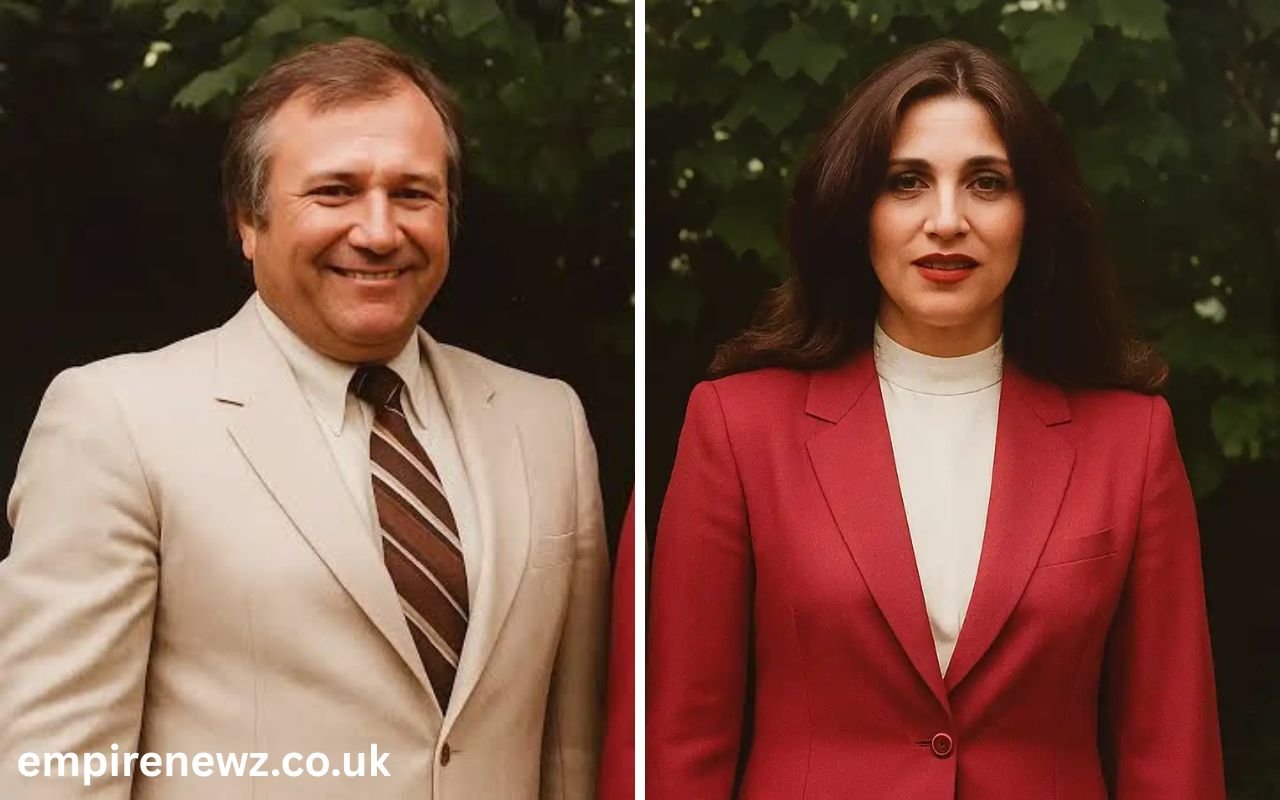





bob flick loni anderson Bob Flick and Loni Anderson: A Timeless Love Story, Careers, and Lasting Legacy in Entertainment History
Early Life Foundations of Bob Flick and Loni Anderson
bob flick loni anderson Loni Anderson grew up in Saint Paul, Minnesota, where she developed an early interest in performance, modeling, and the entertainment world. Her upbringing was shaped by a strong sense of ambition, and she gradually moved toward acting as she pursued opportunities in local productions and early television appearances. These formative years built the foundation for what would later become a highly recognizable Hollywood career.
Bob Flick also has roots that reflect a very different artistic direction, growing up during a time when American folk music was beginning to shape youth culture. His early life was influenced by musical harmony, acoustic traditions, and the rising popularity of college folk groups in the United States. This environment eventually led him toward a lifelong commitment to music rather than film or television.
Although their childhood experiences were completely separate, both Bob Flick and Loni Anderson were shaped by creative environments that encouraged performance and expression. These early influences later played an important role in how their paths eventually crossed within the broader entertainment world.
Career Beginnings and Creative Direction
Loni Anderson’s early career began with small roles in television and film, where she slowly built recognition through persistence and screen presence. She worked her way through the competitive entertainment industry during an era when opportunities for women in television were expanding but still limited in scope. Her determination helped her stand out among many aspiring actresses.
Bob Flick, in contrast, began his professional journey as a musician and founding member of The Brothers Four. The group emerged during the late 1950s folk revival, becoming known for their soft harmonies and acoustic style that appealed to both college audiences and mainstream listeners. Their success marked Flick’s entry into the American music scene.
As both careers developed, Anderson moved toward acting recognition while Flick solidified his identity in music performance. Their professional worlds were different, yet both were rooted in the entertainment industry, setting the stage for eventual overlap later in life.
Rise of Loni Anderson in Hollywood Television
Loni Anderson achieved widespread fame through her role as Jennifer Marlowe in WKRP in Cincinnati. The character became iconic for her intelligence, confidence, and stylish personality, challenging the typical portrayal of women in sitcoms during that era. Her performance made her one of the most recognizable television figures of the late 1970s and early 1980s.
Her success in the show led to major award nominations and widespread media attention, establishing her as a leading television actress. She became a symbol of glamour combined with intelligence, which helped redefine how female characters were written in sitcoms. Her popularity extended beyond the show itself and into broader pop culture recognition.
Despite the fame, Anderson continued working steadily in television films and guest appearances. Her career longevity reflected her ability to adapt to changing entertainment trends while maintaining her signature screen identity.
Musical Legacy of Bob Flick and The Brothers Four
Bob Flick’s career is deeply tied to the folk music movement that shaped American culture during the mid-20th century. As a founding member of The Brothers Four, he contributed to a sound that emphasized harmony, storytelling, and acoustic simplicity. The group’s music became widely recognized for its emotional warmth and accessibility.
Their most famous work, including songs like “Greenfields,” helped define the folk-pop crossover era. The Brothers Four toured extensively and gained a loyal following, particularly among college audiences who embraced folk music as a cultural expression. Flick’s role was central to maintaining the group’s identity and musical consistency.
Over time, the group’s legacy remained strong even as musical trends evolved. Bob Flick continued to be associated with the preservation of classic folk music, ensuring that the sound and influence of The Brothers Four remained part of American musical history.
First Meeting Between Bob Flick and Loni Anderson
The first encounter between Bob Flick and Loni Anderson reportedly took place in the 1960s at a movie premiere in Minneapolis. At that time, Anderson was still in the early stages of her career, while Flick was already gaining recognition through his music career. Their meeting was brief but memorable, leaving a subtle connection between them.
Although they did not begin a relationship at that time, the encounter created a foundation of familiarity that would later resurface. Both continued their careers separately, unaware that their paths would eventually reconnect decades later. This kind of long-distance connection is rare but not unusual in entertainment circles where careers often intersect briefly.
Years later, they reconnected after both had experienced major life changes. This second meeting marked the beginning of a deeper relationship, shaped by maturity, shared experiences, and a greater understanding of life beyond fame.
Relationship Growth and Emotional Connection
The relationship between Bob Flick and Loni Anderson developed gradually, built on friendship and mutual respect rather than sudden attraction. Both had experienced the challenges of public life, which helped them approach their connection with greater caution and emotional awareness. Their bond grew stronger over time.
Unlike many Hollywood relationships, theirs was not driven by publicity or media attention. Instead, it was grounded in shared values and personal understanding. This allowed their relationship to develop in a more stable and private environment compared to typical celebrity romances.
Their connection also reflected a shift in priorities later in life, where companionship and emotional compatibility became more important than public image or career visibility. This foundation helped prepare them for a long-term commitment.
Marriage and Life Together
Bob Flick and Loni Anderson were married in 2008, marking a significant milestone in both of their personal lives. For Anderson, it was her fourth marriage, while for Flick, it represented a deeply committed partnership later in life. Their wedding was private and focused on close family and friends.
Their marriage came after Anderson’s earlier high-profile relationship with Burt Reynolds, which had been widely covered by the media. In contrast, her marriage to Flick was intentionally quieter and more grounded, reflecting a desire for stability and privacy.
Together, they built a life that remained largely away from public attention. Their relationship emphasized companionship, shared experiences, and mutual support rather than celebrity visibility.
Private Life and Public Attention Balance
Loni Anderson’s public image had long been shaped by media attention, particularly during her peak Hollywood years. However, her relationship with Bob Flick represented a noticeable shift toward privacy and personal balance. This allowed her to step away from constant public scrutiny.
Bob Flick also preferred a more private lifestyle, consistent with his long-standing music career outside Hollywood’s spotlight. This mutual preference for privacy helped the couple maintain a stable relationship without excessive media interference.
Their ability to balance public recognition with private life became one of the defining aspects of their relationship. It demonstrated how two public figures could still maintain a grounded personal life away from constant attention.
Legacy of Loni Anderson and Bob Flick in Entertainment
Read More: Grace Frances Penner: Name Origins, Meaning, and Digital Identity Overview
Loni Anderson’s legacy remains strongly tied to her role in shaping television history through strong female representation. Her work in WKRP in Cincinnati continues to be referenced as a turning point in sitcom character development. She left behind a lasting influence on television storytelling.
Bob Flick’s legacy continues through his contributions to American folk music as part of The Brothers Four. His work helped define a genre that remains culturally significant even decades later. His influence is preserved through continued performances and recordings.
Together, their combined legacy represents two important branches of American entertainment history, television and music. Their story reflects how different artistic paths can eventually converge into a shared narrative of cultural impact.
Lasting Story of Bob Flick and Loni Anderson
The story of Bob Flick and Loni Anderson is ultimately about timing, connection, and the unexpected ways lives intersect. Their relationship began with a chance meeting, evolved separately over decades, and eventually reunited into a lasting partnership. This long arc makes their story unique.
Their journey also reflects broader themes of personal growth and reinvention. Both experienced full careers, public recognition, and personal challenges before coming together later in life. This made their bond more grounded and meaningful.
Today, their names remain linked as part of American entertainment history. Whether through music or television, their legacy continues to represent creativity, resilience, and the lasting power of human connection.