

Jazz Artists Harlem Renaissance: The Soundtrack of a Cultural Revolution
The story of jazz artists harlem renaissance is the story of a cultural awakening that reshaped American music, identity, and artistic expression. During the early 20th century, Harlem became the epicenter of a creative explosion that brought jazz into global recognition.
From smoky nightclubs to legendary performances, jazz artists harlem renaissance defined a new era of rhythm, improvisation, and cultural pride that still influences music today.
Origins of Jazz in the Harlem Renaissance
The emergence of jazz artists harlem renaissance can be traced to the Great Migration, when African American communities moved from the South to Northern cities like New York. Harlem quickly became a hub of artistic experimentation and musical fusion.
This environment allowed jazz to evolve from blues and ragtime into a sophisticated, expressive art form. The rise of jazz artists harlem renaissance marked the beginning of jazz as a cultural identity rather than just entertainment.
Cultural Landscape of Harlem’s Golden Era
The Harlem Renaissance was more than music; it was a broader intellectual and artistic movement known as the Harlem Renaissance. Writers, painters, and musicians collaborated in shaping a new Black cultural identity.
Within this vibrant setting, jazz artists harlem renaissance thrived as they performed in clubs, theaters, and social gatherings that celebrated creativity and resilience.
“Jazz is the voice of freedom in America.” — Norman Granz
This spirit of freedom defined how jazz artists harlem renaissance transformed music into a form of cultural expression and resistance.
Legendary Jazz Artists Who Defined the Era
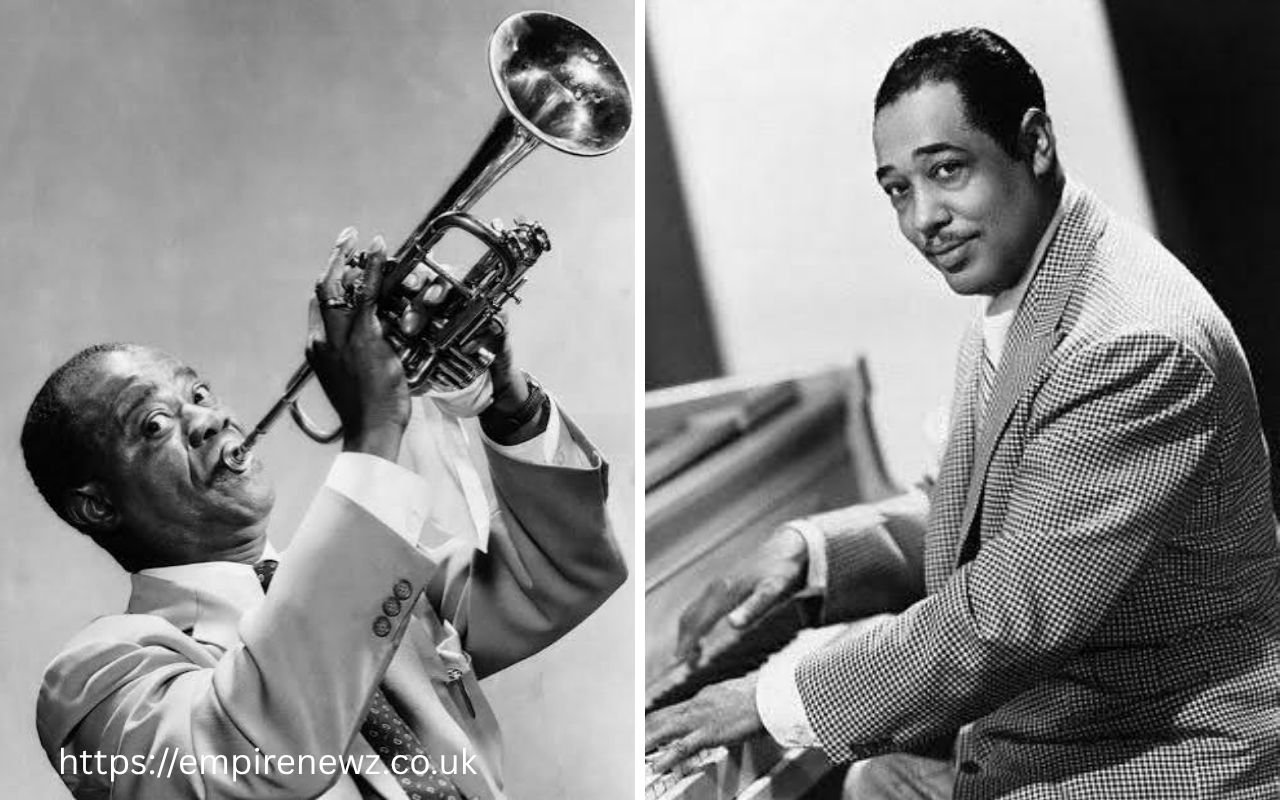
The legacy of jazz artists harlem renaissance is inseparable from its most influential performers. Icons like Duke Ellington, Louis Armstrong, and Billie Holiday helped shape the sound of the era.
These musicians brought innovation, emotional depth, and technical brilliance to jazz. Their contributions turned Harlem into the global capital of jazz innovation.
| Artist | Instrument/Role | Contribution to Jazz | Signature Style |
|---|---|---|---|
| Duke Ellington | Composer/Bandleader | Orchestral jazz expansion | Sophisticated harmonies |
| Louis Armstrong | Trumpet/Vocals | Improvisation revolution | Expressive solos |
| Billie Holiday | Vocals | Emotional storytelling | Unique phrasing |
| Bessie Smith | Blues vocalist | Vocal blues influence | Powerful tone |
| Count Basie | Piano/Bandleader | Swing development | Rhythmic precision |
The evolution of jazz artists harlem renaissance is best understood through these pioneers who elevated jazz into a global art form.
Duke Ellington and the Harlem Sound
Duke Ellington played a central role in shaping orchestral jazz during the Harlem Renaissance. His performances at venues like the Cotton Club helped define the sophisticated sound of the era.
In discussions of jazz artists harlem renaissance, Ellington stands as a symbol of elegance, complexity, and artistic ambition that elevated jazz into concert hall status.
Louis Armstrong and the Revolution of Improvisation
Louis Armstrong transformed jazz through his groundbreaking improvisational style. His trumpet solos introduced a new level of emotional spontaneity that redefined musical structure.
Among jazz artists harlem renaissance, Armstrong’s influence was particularly powerful because he shifted jazz from ensemble-based performance to solo expression.
Billie Holiday and Emotional Expression in Jazz
Billie Holiday brought emotional storytelling into jazz vocals, using timing and phrasing in deeply expressive ways. Her performances captured themes of love, struggle, and resilience.
Within the world of jazz artists harlem renaissance, Holiday’s voice became a symbol of vulnerability and artistic truth, influencing generations of vocalists.
Jazz Venues and the Harlem Nightlife Scene
Harlem’s nightlife provided the stage for many legendary performances. Venues like the Cotton Club, Savoy Ballroom, and Apollo Theater became cultural landmarks where musicians and audiences connected.
The rise of jazz artists harlem renaissance was deeply tied to these venues, which provided both opportunity and visibility for emerging talent.
Musical Innovation and Improvisation in Jazz
Innovation was the heartbeat of the era, as musicians experimented with rhythm, harmony, and improvisation. This creative freedom allowed jazz to evolve rapidly and diversify into multiple substyles.
The influence of jazz artists harlem renaissance is especially evident in how improvisation became a defining characteristic of modern jazz.
Modern Legacy of Harlem Renaissance Jazz
Today, the influence of jazz artists harlem renaissance can be heard in contemporary jazz, hip-hop, R&B, and even pop music. The improvisational techniques and emotional depth pioneered during this era remain foundational.
Modern musicians continue to draw inspiration from the Harlem Renaissance, ensuring its legacy remains alive in global music culture.
Conclusion: The Enduring Power of Jazz Artists Harlem Renaissance
The legacy of jazz artists harlem renaissance is one of transformation, creativity, and cultural empowerment. From Duke Ellington’s orchestral brilliance to Billie Holiday’s emotional depth, the era defined the essence of jazz as an art form.
Understanding jazz artists harlem renaissance allows us to appreciate not only the music but also the cultural movement that reshaped artistic identity in America and beyond.
READ MORE: Colonel Sanders Ethnicity: A Deep Dive into the Heritage, Ancestry, and Cultural Identity of a Global Icon
Frequently Asked Questions
What defines jazz artists Harlem Renaissance?
The term jazz artists harlem renaissance refers to musicians who shaped the jazz movement during the Harlem Renaissance cultural era.
Who were the most famous jazz artists Harlem Renaissance?
Key figures include Duke Ellington, Louis Armstrong, and Billie Holiday, all central to jazz artists harlem renaissance.
Why was Harlem important for jazz development?
Harlem provided cultural spaces and venues that allowed jazz artists harlem renaissance to innovate and perform freely.
How did jazz evolve during the Harlem Renaissance?
The evolution of jazz artists harlem renaissance included improvisation, swing rhythms, and orchestral arrangements.
What is the legacy of jazz artists Harlem Renaissance today?
The legacy of jazz artists harlem renaissance continues in modern jazz, hip-hop, and global music innovation.